Overexposed: How the Modern Hype Machine Is Undermining the Films It Promotes
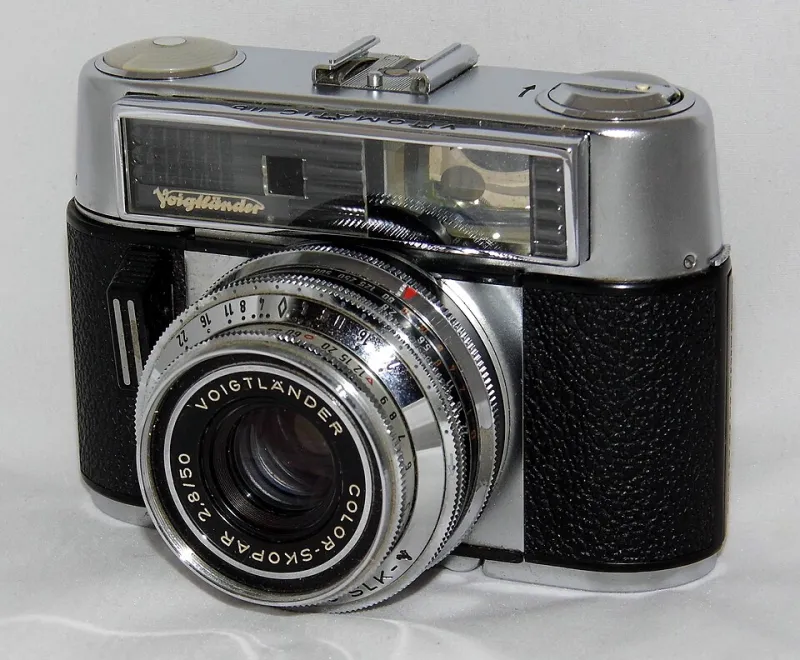
Photo: Joe Haupt from USA, CC BY-SA 2.0, via Wikimedia Commons
There is a peculiar irony embedded in the modern theatrical release cycle. Studios pour extraordinary resources into generating anticipation for their biggest titles, orchestrating a months-long crescendo of trailers, featurettes, press junkets, and early screenings — only to discover, in a growing number of cases, that the audience arrived at opening weekend already feeling as though they had seen the film. The result is a paradox that Hollywood has been slow to name but cannot afford to keep ignoring.
The Anatomy of a Spoiler Economy
The architecture of a major studio release has changed substantially over the past decade. Where pre-release coverage once consisted of a theatrical trailer and a handful of magazine profiles, today's campaigns routinely include multiple trailer drops, extended TV spots, social media character reveals, behind-the-scenes documentary content, and press screenings that occur weeks — sometimes months — before a film opens to the general public.
Each of these elements serves a legitimate promotional purpose in isolation. Taken together, however, they can constitute something closer to a detailed synopsis than a teaser. Critics and entertainment journalists attending early screenings are typically bound by embargo agreements governing when they may publish reviews, but those agreements do not prevent the broader cultural signal that early access generates. When a film receives widespread early screenings, audiences begin to absorb impressions — tonal cues, casting reactions, thematic interpretations — long before they purchase a ticket.
The problem is compounded by the social media ecosystem. A critic who cannot publish a formal review can still signal enthusiasm or disappointment through carefully worded posts. A publicist traveling with a film during its festival run generates a trail of Instagram content that communicates atmosphere and reception. None of this is technically a spoiler in the traditional sense, yet all of it contributes to an audience arriving at the theater with a pre-formed relationship to the material.
Case Studies in Premature Familiarity
Several high-profile releases in recent years illustrate the dynamic with uncomfortable clarity. Consider the promotional campaign surrounding a major superhero franchise entry whose marketing, by the time of its domestic opening, had revealed three significant third-act character appearances through official channels. The film performed adequately, but post-release audience surveys consistently cited a lack of genuine surprise as a factor in lower-than-expected enthusiasm scores. The studio had, in effect, negotiated away its most valuable assets in exchange for pre-release engagement metrics.
A similar pattern emerged around a prestige drama that received an aggressive awards-season rollout. Early screenings generated strong critical consensus, which was then amplified through a press junket circuit that placed the film's lead performances under an intense analytical lens for nearly two months before wide release. By the time general audiences arrived, the film felt less like a discovery than a confirmation of something they had already been told to feel. Its box office performance, while respectable, fell meaningfully short of projections that had been calibrated against that early critical momentum.
The streaming era has added an additional variable. When audiences know that a theatrical release will migrate to a major platform within weeks, the calculus around opening-weekend attendance shifts. If a viewer feels sufficiently informed about a film through pre-release coverage, the urgency to see it in a theater diminishes considerably. The very thoroughness of modern promotional campaigns can accelerate that calculation.
What Studios Are Starting to Learn
Not every studio is approaching this problem the same way, and the divergence in strategy has become one of the more instructive fault lines in contemporary Hollywood. A small number of high-profile directors have negotiated what might be described as information minimalism into their production agreements — strict limits on the volume and specificity of pre-release content, including restrictions on which scenes may appear in trailers and how extensively cast members may discuss plot in press settings.
The commercial results of these more restrained campaigns have attracted internal attention. When audiences encounter a film with genuine narrative mystery intact, the theatrical experience retains a quality that drives both word-of-mouth enthusiasm and repeat viewings — two metrics that streaming-era studios have struggled to replicate through traditional marketing saturation.
Some distributors have also begun experimenting with compressed release windows for their promotional campaigns, concentrating the bulk of audience-facing content into a shorter pre-release period. The logic is straightforward: familiarity breeds indifference over time, and a campaign that sustains high visibility for six months risks exhausting its audience before the film opens. A more concentrated push, the argument goes, generates comparable awareness with less narrative attrition.
The Critic Screening Question
Perhaps the most nuanced element of this conversation involves the role of early critic access itself. Press screenings remain essential to the ecosystem that PreRevi and similar outlets occupy — they are the mechanism through which informed early commentary reaches audiences who rely on critical guidance to shape their viewing decisions. The question is not whether early access should exist, but how it is structured and what obligations accompany it.
There is a legitimate case to be made that the current embargo system, while well-intentioned, creates an artificial pressure valve. Critics who screen a film weeks before release are often prohibited from publishing substantive analysis during precisely the period when audience curiosity is most acute. That prohibition does not suppress conversation; it simply displaces it into less accountable channels. A more calibrated approach to embargo timing — one that allows measured critical engagement closer to the actual release window — might serve both studios and audiences more effectively than the current model.
The Optimal Information Strategy
What emerges from a careful examination of recent release data and audience behavior is not a case against promotion, but a case for precision. The studios that have navigated this landscape most successfully share a common characteristic: they treat narrative information as a finite resource to be allocated deliberately, rather than a renewable commodity to be distributed as broadly as possible.
For audiences, the implications are equally worth considering. The appetite for pre-release content is real and understandable — it reflects genuine enthusiasm for the medium. But there is something to be said for the experience of arriving at a theater without a fully formed opinion already in place, for allowing a film the space to be encountered rather than confirmed.
In the streaming age, that space has become genuinely rare. The studios that learn to protect it may find they have preserved something more valuable than a marketing beat: the possibility of genuine surprise.